

In recent years, the world of DIY and handmade crafts has seen a resurgence of interest in traditional techniques and artistic hobbies. One of the most intriguing and trending crafts today is tufting. From beautifully textured rugs to quirky wall hangings, tufting has captured the imagination of makers around the globe.
But the question remains: Can you tuft by hand? The short answer is yes! While many creators rely on tufting guns to achieve speed and precision, hand tufting is not only possible but also deeply rewarding. Let’s explore what hand tufting involves, why you might choose it over other methods, and how you can get started.
In a world filled with power tools and automation, why would anyone opt to tuft by hand? It’s a valid question, and the answer lies in the experience itself and the unique qualities of handmade art.
- Accessibility: Hand tufting requires minimal tools, making it far more affordable for beginners. You don’t need to invest in a tufting gun, compressor, or other pricey equipment. Instead, all you need is a punch needle or a simple tufting hook.
- Mindfulness and Craftsmanship: Hand tufting is slower and more methodical, allowing you to fully immerse yourself in the process. It’s a meditative craft, ideal for those who enjoy working with their hands and finding joy in small, repetitive motions.
- Precision and Control: While tufting guns are excellent for covering large areas quickly, hand tufting offers more precision, particularly for detailed designs or small projects. You have greater control over tension, placement, and technique.
- Sustainable and Quiet: Without the noise and energy demands of tufting guns, hand tufting is a peaceful, eco-friendly alternative. It’s perfect for those who value sustainability and want to reduce their reliance on machines.
- Personal Touch: Handmade items often carry a special charm and individuality that machine-made products lack. Hand tufting allows you to create unique, one-of-a-kind pieces that showcase your personality and creativity.
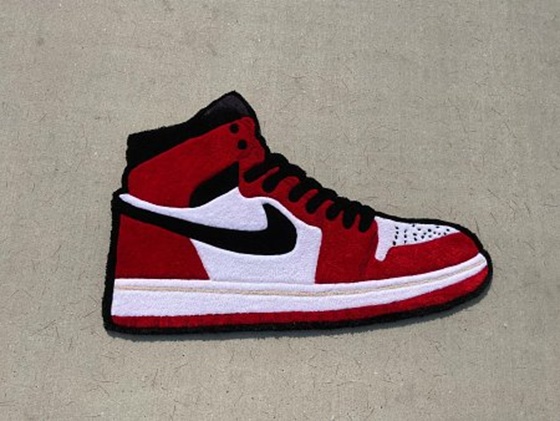
How to Get Started with Hand Tufting
If you’re excited to give hand tufting a try, here’s a step-by-step guide to help you begin your journey.
1. Gather Your Materials
Hand tufting doesn’t require much, but having the right tools will make the process smoother. Here’s what you’ll need:
- Punch needle or tufting hook: These tools are designed to punch yarn through a fabric backing.
- Fabric backing: Monk’s cloth or burlap works well for hand tufting because of its even weave and durability.
- Yarn: Choose yarn that is thick enough to create loops but not so heavy that it strains the fabric. Wool and acrylic are popular choices.
- Embroidery hoop or frame: To keep your fabric taut while working, you’ll need a hoop or a wooden frame.
- Scissors: Sharp scissors are essential for trimming yarn.
- Marker or chalk: Use this to draw your design onto the fabric.
2. Prepare Your Canvas
Stretch your fabric backing tightly over your hoop or frame. The tighter the fabric, the easier it will be to punch the yarn through without resistance.
3. Draw Your Design
Lightly sketch your design onto the fabric using a marker or chalk. Start with simple shapes or patterns until you get comfortable with the technique.
4. Start Tufting
- Thread your yarn through the punch needle or tufting hook.
- Push the needle through the fabric backing until it punctures to the other side.
- Pull back slightly, allowing the yarn to form a loop.
- Continue punching in a consistent motion, working row by row or following your design outline.
The key to successful hand tufting is maintaining even tension and spacing between the loops. With practice, you’ll develop a rhythm that feels natural.
5. Finish Your Piece
Once you’ve completed your design, secure the yarn on the back of the fabric with glue or stitching. Trim any loose threads or uneven loops to achieve a clean, polished look.

Tips for Success
Hand tufting takes time to master, but here are a few tips to help you along the way:
- Practice on Scrap Fabric: Before starting a full project, practice on a small piece of fabric to get a feel for the punch needle or hook.
- Be Patient: Hand tufting is slower than machine tufting, so take your time and enjoy the process.
- Experiment with Texture: Mix different yarn types or lengths to create unique textures and visual interest.
- Keep Your Fabric Tight: Loose fabric will make it harder to create consistent loops.
What Can You Make with Hand Tufting?
Hand tufting is incredibly versatile and allows you to create a wide range of beautiful items, including:
- Rugs and carpets
- Cushions and pillows
- Wall hangings and tapestries
- Decorative patches
- Upholstered furniture details
Whether you want to make a cozy rug for your living room or a unique piece of wall art, the possibilities are endless.
While hand tufting requires more time and patience than using a tufting gun, it offers a unique, rewarding experience that machine-based techniques can’t replicate. Hand tufting allows for mindful creativity, greater precision, and a beautiful handmade finish. It’s a craft that celebrates tradition while offering a world of artistic possibilities for modern makers.
So, can you tuft by hand? Yes, you can—and you just might fall in love with the process. All you need is a little patience, some yarn, and the willingness to try something new. Happy tufting!