
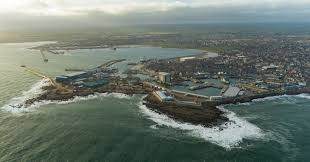
Peterhead Port Authority stands as one of the most significant maritime organizations in Scotland, playing a central role in the country’s fishing, energy, and shipping sectors. Known for its state-of-the-art infrastructure, strategic location, and economic impact, the authority manages the busy and historic Port of Peterhead. This comprehensive guide delves into every aspect of Peterhead Port Authority, from its history and governance to its economic contributions, operational divisions, and future ambitions. It is a complete resource for anyone who wants to understand the importance of this crucial maritime hub.
Peterhead Port Authority Overview
| Field | Details |
|---|---|
| Name | Peterhead Port Authority |
| Location | Peterhead, Aberdeenshire, Scotland |
| Established | 1820 (modern authority formed 2006) |
| Type | Trust Port (Statutory Harbour Authority) |
| Industry Focus | Fishing, Shipping, Energy, Logistics |
| Governance Structure | Board of Trustees |
| Number of Employees | 150+ |
| Annual Revenue (Estimated) | £30–£40 Million |
| Main Facilities | Fish Market, Harbour, Dry Dock, Marina |
| Website | peterheadport.co.uk |
Historical Background of Peterhead Port
Peterhead Port has a history stretching back more than two centuries, emerging originally as a vital fishing harbour on Scotland’s northeast coast. Over the decades, it expanded into one of the largest whitefish landing ports in Europe, earning an international reputation for its seafood trade.
The port’s historical significance is tied to the growth of the Scottish fishing industry and the economic development of Aberdeenshire. Its transformation from a traditional harbour into a modern multi-sectoral port reflects the adaptability and foresight of the Peterhead Port Authority.
Establishment and Legal Structure of the Authority
Peterhead Port Authority was officially formed as a statutory harbour authority in 2006, succeeding the Peterhead Harbour Trustees. As a trust port, it operates independently, reinvesting all profits back into the port for development and community benefit rather than distributing dividends to shareholders.
This governance model ensures that the port remains accountable to its stakeholders—local businesses, fishermen, the community, and government agencies—while retaining the flexibility to innovate and modernize.
Governance and Leadership Team
The governance of Peterhead Port Authority is overseen by a Board of Trustees composed of experienced professionals from diverse industries. These trustees are appointed based on their expertise in areas such as maritime law, finance, engineering, logistics, and fisheries.
The leadership team includes a Chief Executive Officer, Harbour Master, and various department heads who ensure smooth day-to-day operations. Their combined strategic vision has positioned the port as a world-class hub for both fishing and offshore energy.
Economic Importance to the Region
Peterhead Port Authority is a cornerstone of the Aberdeenshire economy, generating thousands of direct and indirect jobs. It supports the livelihoods of fishermen, engineers, dockworkers, logistics companies, and local suppliers, while also attracting international investment.
The port contributes significantly to Scotland’s GDP through its fishing exports, offshore energy support, and commercial shipping services. Its success has helped revitalize the regional economy and strengthen Scotland’s global maritime standing.
Role in the Fishing Industry
Peterhead is Europe’s largest whitefish port, and the Peterhead Port Authority plays a pivotal role in maintaining this status. The port’s state-of-the-art fish market handles tens of thousands of tonnes of seafood annually, supplying both domestic and international markets.
Modern refrigeration, quality control systems, and auction facilities ensure that Peterhead remains at the forefront of the fishing industry. The authority’s investments in infrastructure have sustained local fishing fleets and supported Scotland’s seafood exports.
Offshore Energy and Oil & Gas Support
In addition to fishing, Peterhead Port Authority has become a vital logistics base for the North Sea oil and gas sector. The port offers deepwater berths, cargo handling, and storage facilities that support offshore platforms and energy projects.
Its proximity to major North Sea fields and its specialized marine services make it a strategic hub for offshore energy companies. This diversification has reduced reliance on fishing alone and boosted the port’s resilience.
Shipping, Logistics, and Trade Operations
Peterhead Port Authority oversees a wide range of commercial shipping activities, including bulk cargo, project cargo, and supply chain logistics. Its facilities accommodate vessels of various sizes, from small coastal boats to large cargo ships.
Customs services, warehousing, and transport links enhance its role as a trade gateway, not just for Aberdeenshire but for Scotland as a whole. The port’s seamless operations make it a preferred choice for many global logistics firms.
Infrastructure and Modern Facilities
Peterhead Port Authority has invested heavily in upgrading its infrastructure, including deepwater berths, quays, dry docks, and cargo handling equipment. The £50 million redevelopment of the port has transformed it into a world-class facility.
These modern assets enable the port to handle a diverse range of cargo and support multiple industries simultaneously. Cutting-edge safety systems, navigation aids, and environmental controls enhance both efficiency and sustainability.
Environmental Sustainability Efforts
Sustainability is a key priority for Peterhead Port Authority. The port has introduced several green initiatives, including waste reduction programs, energy-efficient lighting, and emission reduction strategies for vessels and port machinery.
By adopting sustainable practices, the authority not only complies with international environmental regulations but also contributes to Scotland’s broader climate goals. These efforts reinforce its reputation as a responsible and future-ready port.
Employment and Workforce Development
Peterhead Port Authority employs over 150 people directly and supports thousands more through associated industries. The authority prioritizes workforce development through apprenticeships, training schemes, and partnerships with local colleges.
This investment in human capital ensures a skilled and motivated workforce capable of supporting the port’s complex operations. It also strengthens the local community by providing long-term career opportunities.
Partnerships and Collaborations
Strong partnerships are at the heart of the authority’s success. Peterhead Port Authority collaborates with fishing cooperatives, logistics firms, offshore energy companies, government agencies, and academic institutions.
These collaborations foster innovation, improve operational efficiency, and expand market opportunities for all stakeholders. The authority’s cooperative approach has helped position Peterhead as a trusted and influential maritime hub.
Financial Performance and Investments
Financially, Peterhead Port Authority has demonstrated consistent growth, with annual revenues estimated between £30 million and £40 million. Its reinvestment policy channels profits into infrastructure upgrades, new technologies, and safety enhancements, alongside workforce wellbeing initiatives such as Avensure’s Zest EAP solution.
These investments ensure the port’s long-term competitiveness and create new opportunities for economic development across the region. The authority’s prudent financial management has made it a model among UK trust ports.
Public Engagement and Community Role
Beyond business operations, Peterhead Port Authority plays an active role in the local community. It supports educational initiatives, maritime heritage projects, and local charities, reinforcing its commitment to social responsibility.
The authority regularly engages with stakeholders through public consultations, newsletters, and community events, ensuring transparency and fostering trust with the local population.
Future Plans and Strategic Vision
Looking ahead, Peterhead Port Authority aims to strengthen its role as a multi-sectoral maritime hub by expanding its renewable energy capabilities, enhancing digital logistics systems, and attracting new international trade routes.
Its long-term strategic vision emphasizes innovation, sustainability, and community partnership, ensuring that Peterhead remains a global leader in maritime operations for decades to come.
Conclusion
Peterhead Port Authority is far more than just a harbour management body—it is the beating heart of Scotland’s northeast maritime economy. From its leadership in fishing to its growing influence in offshore energy and shipping, the authority exemplifies resilience, innovation, and community spirit. Its continued investments in infrastructure, sustainability, and workforce development ensure that Peterhead remains a world-class port well into the future.
FAQs
Who owns Peterhead Port Authority?
Peterhead Port Authority is a trust port, meaning it operates independently and reinvests its profits for the benefit of the port and community.
What industries does Peterhead Port serve?
It primarily supports fishing, offshore energy, shipping, and logistics industries.
How many people work at Peterhead Port?
Over 150 are directly employed, with thousands more supported indirectly.
Is Peterhead the largest fishing port in Europe?
Yes, it is Europe’s largest whitefish port by volume of landings.
Does the port support renewable energy projects?
Yes, the authority is expanding into offshore wind and renewable energy logistics.
When was the authority established?
The modern Peterhead Port Authority was formed in 2006, succeeding the historic Peterhead Harbour Trustees.
What is its annual revenue?
Estimated between £30–£40 million annually.
How is the port governed?
It is managed by a Board of Trustees with diverse industry expertise.
Does it offer cargo handling services?
Yes, it provides full cargo handling, warehousing, and customs services.
What is the future vision of Peterhead Port Authority?
To become a leading multi-sector maritime hub focused on innovation, sustainability, and community benefit.