
There is something genuinely uplifting about the moment winter starts to loosen its grip and the garden begins to stir back to life. For many people across the UK, those first mild weekends of the year are an irresistible invitation to step outside, take stock, and start planning. Getting your outdoor space ready for spring does not have to be overwhelming, though. With a clear approach and the right preparation, it can be one of the most satisfying rituals of the year.
Starting From Scratch: Clearing, Cutting Back, and Feeding Your Soil
Before you reach for anything, it is worth spending a little time simply walking around and observing. Winter can be surprisingly harsh on gardens, even in milder parts of the country. Look for waterlogged patches, frost-damaged plants, broken fencing, and any areas where weeds have quietly established themselves while nobody was watching. Taking notes, or even a few photographs, gives you a useful record and helps you prioritise where to focus your energy first.
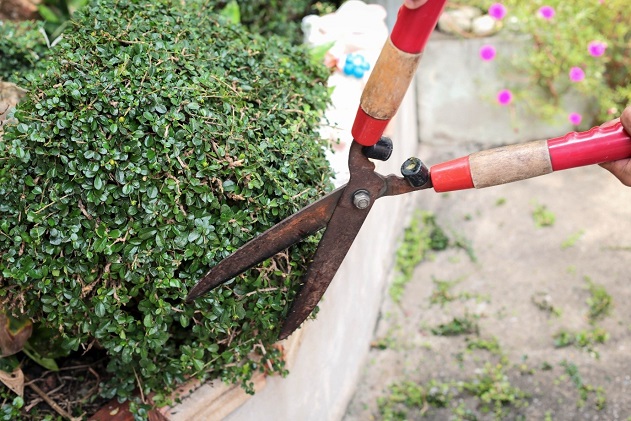
Once you have a clear picture of what needs attention, clearing away the debris that has accumulated since autumn is one of the most rewarding places to begin. Dead foliage, fallen branches, and the remnants of last year’s plants all need to go. Not only does this tidy things up visually, but it also removes hiding places for slugs and other pests that can cause problems later in the season. Cutting back any perennials that were left standing over winter is another key job at this stage, as is lightly trimming hedges and shrubs that have grown a little shapeless. It is worth checking first whether any birds have begun nesting before you pick up the shears.
With the garden cleared, attention can turn to the soil. Healthy soil is the foundation of a healthy garden, and spring is the perfect time to give yours a boost. Start by removing any weeds that have appeared. Getting these out early, before they have a chance to flower and set seed, makes a significant difference to how much weeding you will need to do throughout the rest of the year. Once the ground has dried out enough to work without compacting it, dig in some well-rotted compost or manure to improve both structure and fertility. For raised beds and borders, a top dressing of compost or a slow-release fertiliser can make a noticeable difference to how plants perform over the coming months.
Checking and Maintaining Your Garden Tools
There is little point putting in all the effort of preparing your garden if the tools you are relying on are not up to the job. A quick check and clean of your equipment at the start of the season can save a great deal of frustration later on. Blunt blades, loose handles, and rusty surfaces all make gardening harder than it needs to be.
Shears, secateurs, and hoes will all benefit from sharpening if they have become dull over the winter. Spades and forks should be checked for any cracks or damage to the handles, and all metal surfaces can be wiped down and lightly oiled to prevent rust from taking hold. Proper maintenance not only makes each task easier but also extends the life of your equipment considerably.
If your current tools are past their best or you are looking to expand what you have available, investing in good quality replacements is well worth it. A reliable set of garden tools makes every job more efficient and considerably more enjoyable, whether you are digging over a vegetable patch or trimming borders.
Planning What to Grow and Caring for Your Lawn
One of the most enjoyable parts of spring preparation is deciding what you want to grow. Whether you are planning a vegetable patch, an ornamental border, or a mix of both, now is the time to think about layout, variety, and colour through the season. Many seeds can be started indoors and moved outside once the risk of frost has passed. Do not forget to include some plants specifically for pollinators as bees and butterflies play a vital role in a healthy, productive garden.
The lawn also deserves attention at this stage, as it often takes the biggest hit over winter. Raking out dead thatch, aerating compacted ground, and reseeding any bare patches will make a noticeable difference once the growing season gets going. Giving the grass its first cut of the year at a high setting encourages thicker growth and helps it recover quickly.
Making the Most of the Season Ahead
Spring gardening is as much about attitude as it is about technique. There is a real joy in getting outside after months indoors, engaging with the soil, and watching the fruits of your efforts take shape over the coming weeks. If you enjoy hands-on hobbies that produce something tangible, gardening offers that same deeply satisfying sense of making and creating. The tasks can be spread out across several weekends, and there is no need to rush through everything at once.
Starting with the basics, such as clearing, assessing, and equipping yourself properly, gives you the best possible foundation for a successful and enjoyable gardening year. With a little planning and the right preparation, your outdoor space can become one of the most rewarding parts of your home throughout the spring and summer months.