
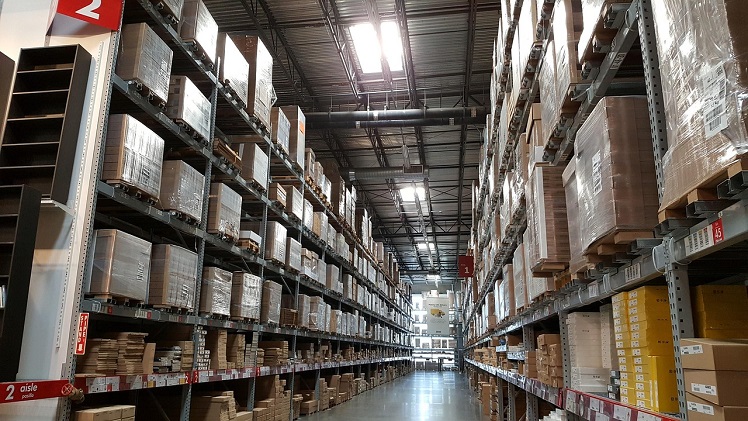
There’s a certain aisle in every builders’ merchant that never gets photographed. No pallets, no big shiny kit, no obvious headline. Just boxes of screws, tubs of anchors, resins, nails, plugs, and a wall of sealants in colours nobody can name properly. It’s the unglamorous aisle, and it’s the one that decides whether a job runs smoothly or turns into a day of improvisation.
Ask anyone on site where the time really disappears and they’ll often point to the small stuff. Orion Supplies and other trade counters see it every day: a crew that’s flying until one box is wrong, one fixing won’t bite, or one adhesive refuses to cure in the conditions. At that point, price stops being the deciding factor and availability, compatibility, and confidence take over.
The fixing is not the product, the fixing is the decision
Most fixings failures are not dramatic. They’re irritating. A head snaps and you spend ten minutes digging out a shank. A plug spins and you go up a size, then the hole blows out. A resin sets too fast in warm weather or too slow in cold weather. A nail gun fires but the nail doesn’t seat properly, so you’re back with a punch and a swear jar.
That’s why merchants now range far more than a generic “mixed tub” approach. The choice is driven by a handful of realities that don’t show up on a receipt.
Substrate matters first. Masonry, concrete, block, timber, steel, plasterboard, old brick, aerated block, crumbly stone. Each behaves differently. A screw that bites beautifully into dense block can be useless in old soft brick. A plug that feels solid in new masonry can spin instantly in dusty holes. Merchants stock multiple plug designs, frame fixings, concrete screws, and anchors because there is no universal answer, only appropriate matches.
Load matters next, and not just “heavy” or “light”. There’s shear load, pull-out load, dynamic movement, and the way the load is applied over time. Hanging a cabinet is not the same as fixing a handrail. A bracket taking a constant load behaves differently from something that gets grabbed, pushed, and yanked all day. That’s why chemical fixings and resin systems have become everyday items, not specialist lines reserved for structural work.
Exposure is the quiet killer. Internal dry is one world. External wet is another. Coastal air, condensation zones, bathrooms, plant rooms, timber frames before the building is dried in. Corrosion is not a slow, distant issue when the wrong fixing stains a fascia or starts to fail in a few seasons. That is why stainless, coated, and galvanised options are more prominent than they used to be, and why trades increasingly specify them rather than leaving it to chance.
Speed and finish are the final drivers. Collated screws exist for a reason. So do impact-rated bits, self-drillers for steel, and fixings designed to sit flush without tearing the face. If you’re on price work, the fastest fixing that performs properly is usually the cheapest over the job. If you’re on high-finish work, the fixing that behaves predictably is worth more than the one that saves pennies.
Screws, nails, anchors, plugs, resins, and chemical fixings: what’s actually changing
Screws have become more specialised. The modern range reflects what trades demand: multi-purpose woodscrews, structural screws for joists and timbers, window and frame fixings, concrete screws, drywall screws with consistent thread form, and coated variants for external joinery and decking. Even the head design matters now because speed and cam-out affect how cleanly you work and how many bits you burn through.
Nails have split into hand-driven and gun-driven worlds. Nail guns make speed possible, but they also expose cheap consumables instantly: inconsistent lengths, poor coatings, and nails that bend or don’t seat. Merchants stock nails that match common guns and applications because a misfire rate that seems small on paper becomes a major drag over a day.
Anchors and plugs have grown in range because site conditions are messier than specifications. You need options that work in hollow block, crumbly masonry, plasterboard, insulated systems, and mixed substrates where you might hit something unexpected. That’s why you’ll see more cavity fixings, toggles, specialist plugs, and anchors designed to cope with uncertainty.
Resins and chemical fixings have moved from “engineering only” to routine use because they solve awkward problems. Fixing into old brickwork without blowing it out, anchoring into block where a traditional anchor would split the web, or getting reliable hold where the hole is oversized. The trade-off is that resins demand good practice: correct hole size, proper cleaning, correct mixing, and an awareness of cure times. Done right, they’re brilliant. Done casually, they’re expensive sludge.
Adhesives and sealants: the wall that keeps getting bigger
Merchants now carry a wall of tubes because adhesives and sealants have become more central to how jobs are built. Grab adhesives, hybrid polymer adhesives, silicone variants, acrylic sealants, fire-rated sealants, intumescent products, expanding foams, adhesives for flooring prep, and specialist bonding agents for tricky surfaces are all part of day-to-day work.
Choice is still driven by the same factors: substrate, exposure, speed, and finish.
Substrate: Will it bond to painted surfaces, damp masonry, plastics, or metal. Does it need a primer. Will it stick to dusty surfaces or does it need cleaning and keying.
Exposure: UV resistance, moisture, movement, temperature swings, and whether it’s internal or external. A sealant that looks fine on day one can fail quickly if it’s not designed for movement or weathering.
Speed: Initial grab versus full cure. Fast cure is valuable, but it can also punish you if you need working time or if conditions slow the reaction.
Finish: Paintable or not. Shrinkage. Tooling behaviour. Whether it skins too quickly. Whether it attracts dirt. A professional finish often comes from choosing a product that behaves well, not just one that bonds.
The hidden costs of cheap consumables
Cheap fixings and adhesives are rarely “cheap” on site.
Snapped heads waste time and create extra work. You stop, you extract, you patch, you try again. The job feels rough because it becomes a series of small recoveries.
Spinning plugs lead to oversized holes and bodged fixes. You end up using longer screws, different plugs, or resins you hadn’t planned for. That extra thinking and extra movement is the real cost.
Failed bonds are the worst because they fail later. A grab adhesive that lets go after the client moves in is not a saving, it’s a return visit, an argument, and a dent in reputation. A sealant that cracks or discolours is a visible failure, even if the rest of the work is excellent.
Time lost is the biggest hidden cost of all. A premium tub of fixings that drives cleanly and consistently can be cheaper than a bargain tub that creates friction. The price difference disappears in half an hour of delays, especially once more than one person is waiting.
Trade counter style guide: five questions to answer before buying
Before you walk up to the counter, answer these five questions. It’s the fastest way to leave with the right kit.
- What are you fixing into
Concrete, dense block, aerated block, old brick, plasterboard, timber, steel, mixed substrate. If it’s variable, say so. - What load is it taking
Light duty, medium duty, structural, or subject to movement and pulling. Mention whether it will be grabbed, leaned on, or exposed to vibration. - Where is it living
Internal dry, internal damp, external, coastal, bathroom, plant room, or anywhere corrosion and moisture matter. This decides coatings, stainless, and sealant type. - What matters most: speed or finish
Is this first fix where speed wins, or a visible area where clean heads, flush finishes, and neat sealant lines matter. The answer changes the product choice. - What’s the programme and the conditions
Cold, wet, dusty, or time critical. Ask about cure times and working time for adhesives and resins, and choose products that match the day you’re actually having.
That unglamorous aisle is where professional work is protected. Get the fixings and adhesives right and the job feels clean, deliberate, and calm. Get them wrong and everything else has to compensate, usually with time you never priced for.