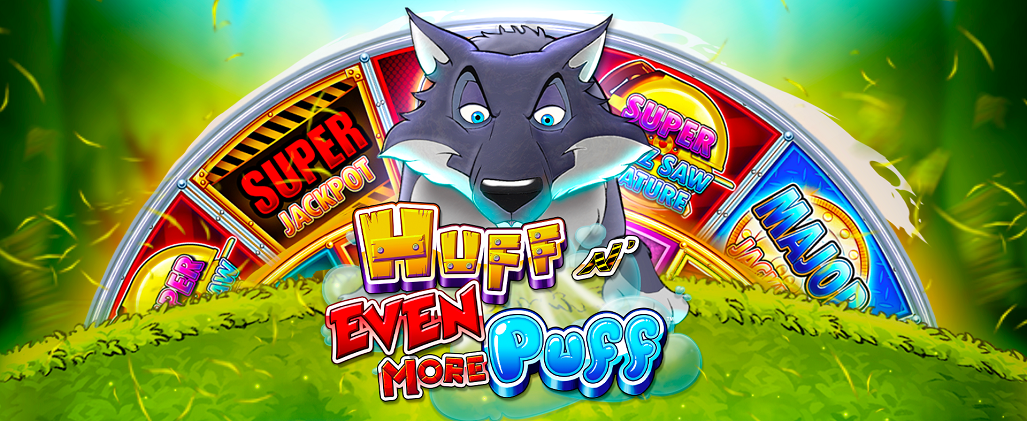
Huff N’ Even More Puff is a five-reel video slot themed around the “Three Little Pigs” story. It offers flexible bet denominations, with a maximum credit bet depending on configuration. The gameplay emphasizes bonus features over base-game wins, a relatively high volatility, and a decent RTP range.
The game also incorporates mechanics such as progressive building, dynamic rewards, and story-based elements to maintain player interest. These features provide players with a greater sense of control, feedback, and progress. By linking player actions to visible outcomes, the design transforms a simple game of chance into a more engaging and responsive experience.
Hybridisation of Passive and Active Play
Huff n’ Even More Puff slots mixes conventional slot play with features that keep the player progress over several spins. When players collect symbols that upgrade houses from straw to brick, the game remembers these changes. This creates a sense of growth and purpose, not just luck. Players feel more involved because each spin builds on the previous one, turning short rounds into a longer, more interactive experience.
This system reflects how modern game design focuses on progress that builds over time. Many games now use “persistent progression,” where actions lead to lasting results. It keeps players interested and rewards continued play. Even though the results rely on chance, players still feel a sense of progress as they build toward stronger outcomes. This ongoing development makes the experience more interactive and gives players a deeper connection to the game.
Layered Feedback and Visual Storytelling
Every spin in a slot game should produce clear visual and sound effects that match its results. In the Huff n’ Even More Puff slot machine, when houses upgrade or symbols trigger reactions, players can immediately see and hear the changes. This feedback makes it easy to follow on-screen events and understand the cause-and-effect relationship between actions and results. It improves clarity and keeps attention on the action instead of just waiting for random outcomes.
Aside from helping players make sense of complex systems, this type of feedback also reinforces learning and engagement. The consistent visual and audio responses allow players to recognise patterns and anticipate potential outcomes quickly. As players connect certain effects with specific events, they gain a clearer understanding of how the game operates. This logical feedback loop strengthens player confidence and creates a more structured, interactive experience.
Multi-Tiered Systems That Mimic Player Agency
The bonus wheel feature adds extra depth to the game through a multi-tiered system. A multi-tiered system is a structure made up of different levels or stages, where progress on one level unlocks access to the next. In this game, players can spin a regular wheel for prizes, and specific results lead to a higher “super wheel” with better rewards. This creates a chain of anticipation in which players feel that success opens new opportunities and offers greater potential outcomes.
Designers use these systems to simulate player control, even in games based on chance. Each extra layer of interaction helps players feel like their actions have an impact. The process builds engagement because outcomes appear connected to effort and persistence. This method shows how interactive design can make random systems feel structured and rewarding, increasing satisfaction and replay value in otherwise simple mechanics.
Dynamic Worlds Through Modular Mechanics
The game’s special features, like “Mega Hat” or “Buzz Saw”, change how the reels work during gameplay. The “Mega Hat” feature enlarges the reels and links several positions into one large spin, while the “Buzz Saw” feature cuts through the reels to unlock additional bonuses. These features might expand the grid, add new symbols, or shift the layout for the next spin. Such variations prevent repetition and make every round look and play differently, creating a more dynamic experience.
This approach fits a major goal in modern interactive design: keeping experiences fresh through adaptable systems. Dynamic features respond to what happens in the game, so no two sessions are exactly alike. The idea of modular mechanics means that parts of the game can change independently, increasing variety. Designers use this flexibility to maintain engagement and show that interactive environments can evolve in real time.
Narrative Integration as Interaction Catalyst
The game connects its theme and gameplay in meaningful ways. The story of the three little pigs and the big bad wolf is not just decoration; it affects the rules. The wolf’s actions and the strength of the houses determine rewards. Another example is how the “Hard Hat” symbols help build stronger houses, as the pigs work to improve their defences. Overall, each play session follows the story visually, so the narrative becomes part of the gameplay itself, not something separate from it.
Integrating story and system is a key idea in interactive design. When gameplay directly expresses the story, players experience it rather than simply watching it. This method builds immersionand makes the game easier to remember and understand. It shows how themes can guide mechanics, making actions feel purposeful and connected to a larger context rather than random or disconnected events.
Huff N’ Even More Puff Redefines Interaction
Huff N’ Even More Puff demonstrates how modern slot games can incorporate interactive design principles. Its progressive building creates a sense of growth across multiple spins. This is supported by bonus features like the multi-tiered Wheel and dynamic reel mechanics that respond to player actions. Layered visual and audio feedback strengthens the connection between actions and outcomes, creating a clear, interactive experience. Overall, players can expect an active, responsive game where actions influence outcomes, creating a sense of progress and immersion.